

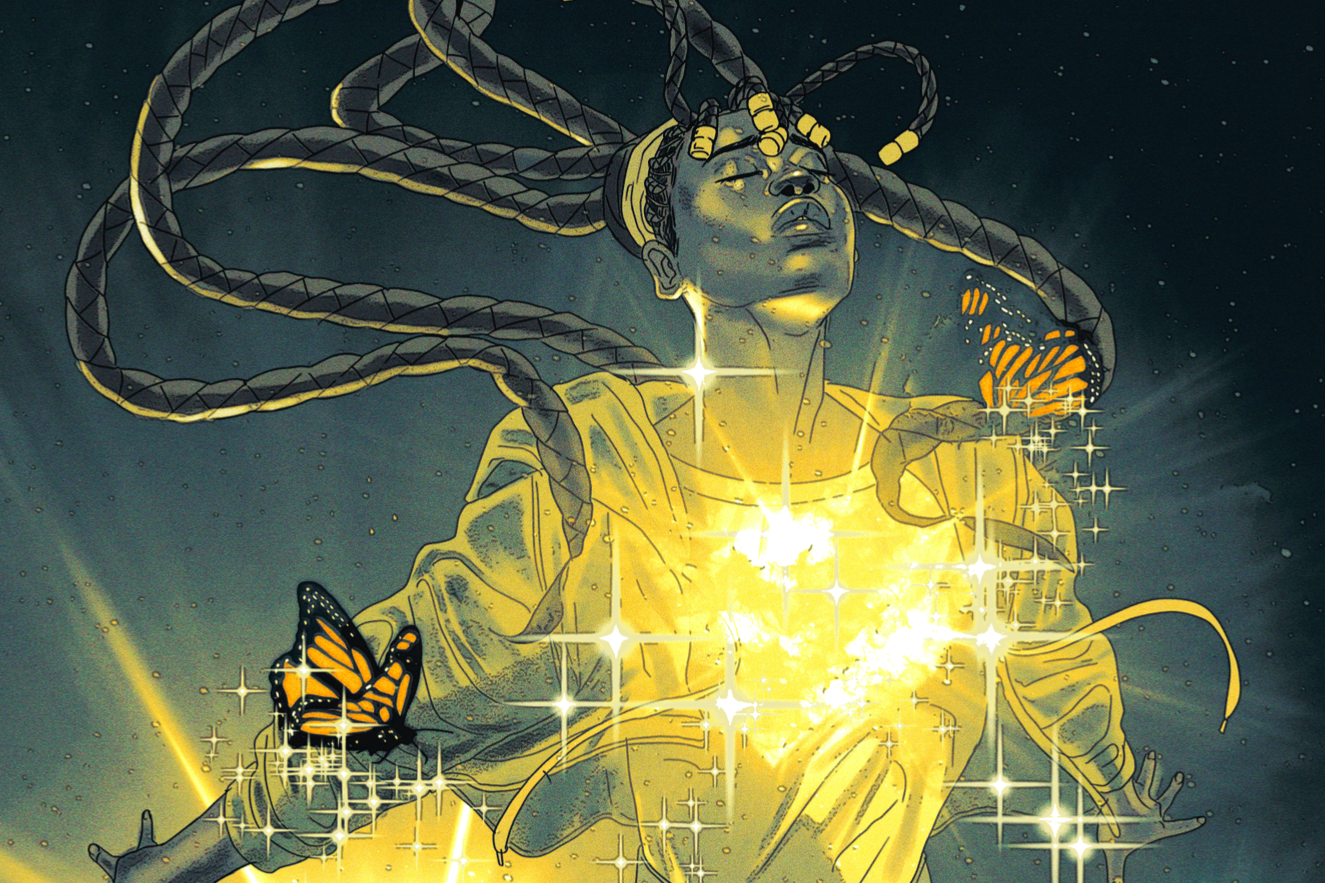
What does it mean to turn fear and pain into power?
That's a question I’ve been pondering for three years, and it is the thematic driving force behind Star Wielder, my debut comic book series—which premieres on November 27.
It’s a question inspired by the resilience of Black people throughout history. Where, despite the violence and systems built to destroy us; despite centuries of exploitation, experimentation, and enslavement, due to the innately destructive nature of white supremacy and colonialism. Despite our grief, fear, and suffering, Black people, specifically Black Americans, have forged a way of being, culturally and socio-economically, alchemizing the violence perpetuated against us and transforming it into a source of unrelenting strength.
And as the world continues to shift in numerous ways, as yet again, Black people and other racialized communities are at the forefront of violence at the hands of imperialism, I’ve returned to that same question. And while many take umbrage to the nature of destruction plaguing our world, including myself, we are left with the intensity of our pain and fear—and the weight of our powerlessness.
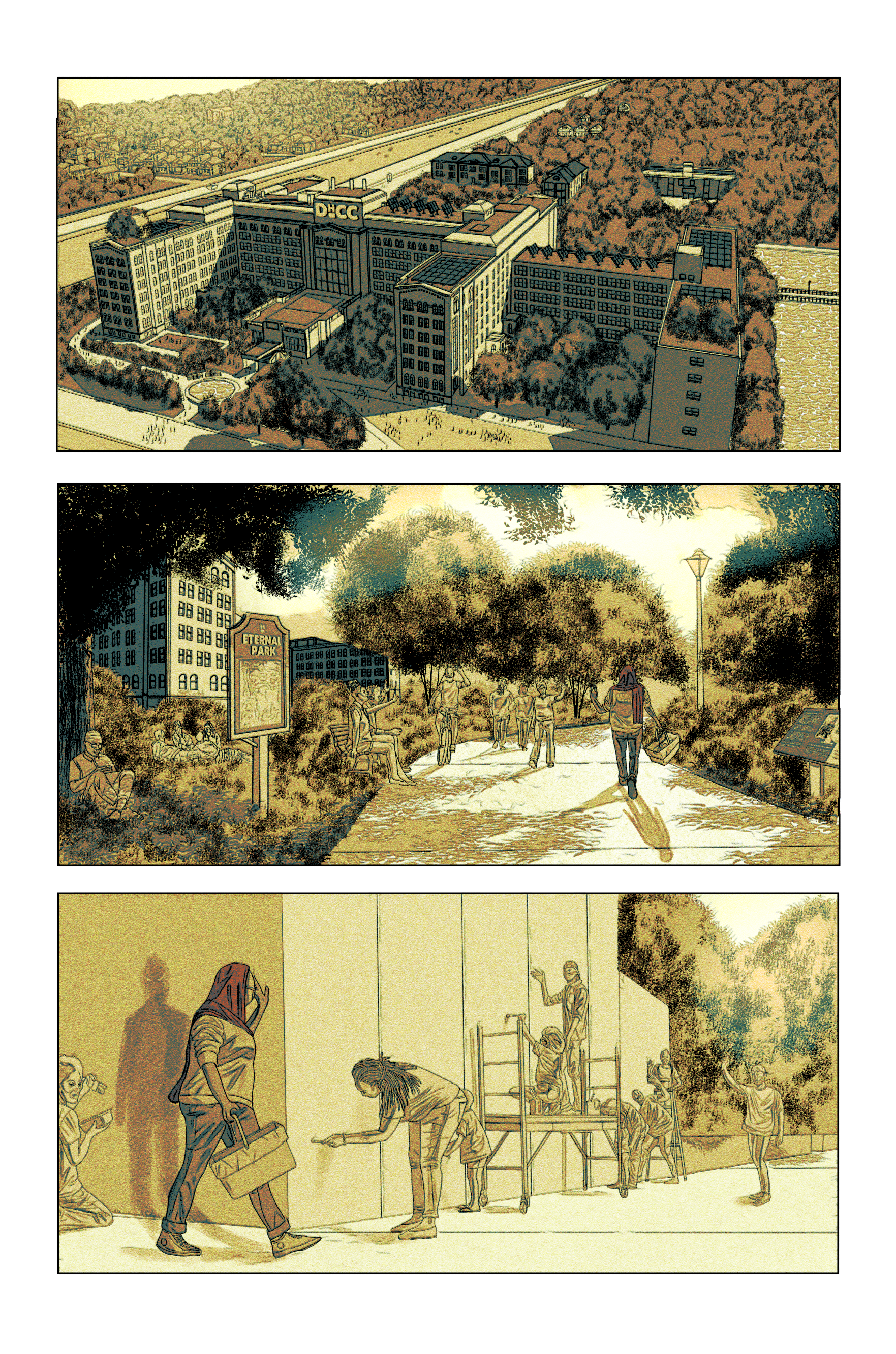
In Star Wielder, I explore this question through the journey of a young, extraordinary Black girl from Detroit named Kiara Kelly. Kiara grew up in a tightly knit community on Detroit's west side, off Claremont Ave., behind the historic Herman Kiefer Hospital and down the street from Thomas Gordan Park, an historical site for what was ground zero where Detroit’s 1967 Uprising started. The 5-day rebellion was a result of rising racial tensions and police violence against Black Detroiters, which spilled over on a blistering summer day in July, leading to 43 deaths and hundreds of injured civilians. Among the youngest victims was a child by the name of Tanya Blanding, 4, who was shot by a National Guard bullet. As a result of the devastation, parts of Detroit were left destroyed, and some still have yet to recover.
However, Star Wielder tells a slightly different story. In the book, the uprising triggers a series of supernatural events that give Detroiters an edge in reclaiming their city and building a flourishing, beautiful community.
What is now the underutilized Herman Kiefer Hospital, in Star Wielder is the Detroit Heritage Community Center, also referred to as “The Center” in the story, and the home of Eternal Park—both the heart and lungs of the city. The Center provides jobs, education, programs, and community services—including for youth and the unhoused.
Eternal Park is where anything grows. The place with the “magic” soil, where, ever since the uprising, the earth, once dense and dry, grew rich with nutrients and life.
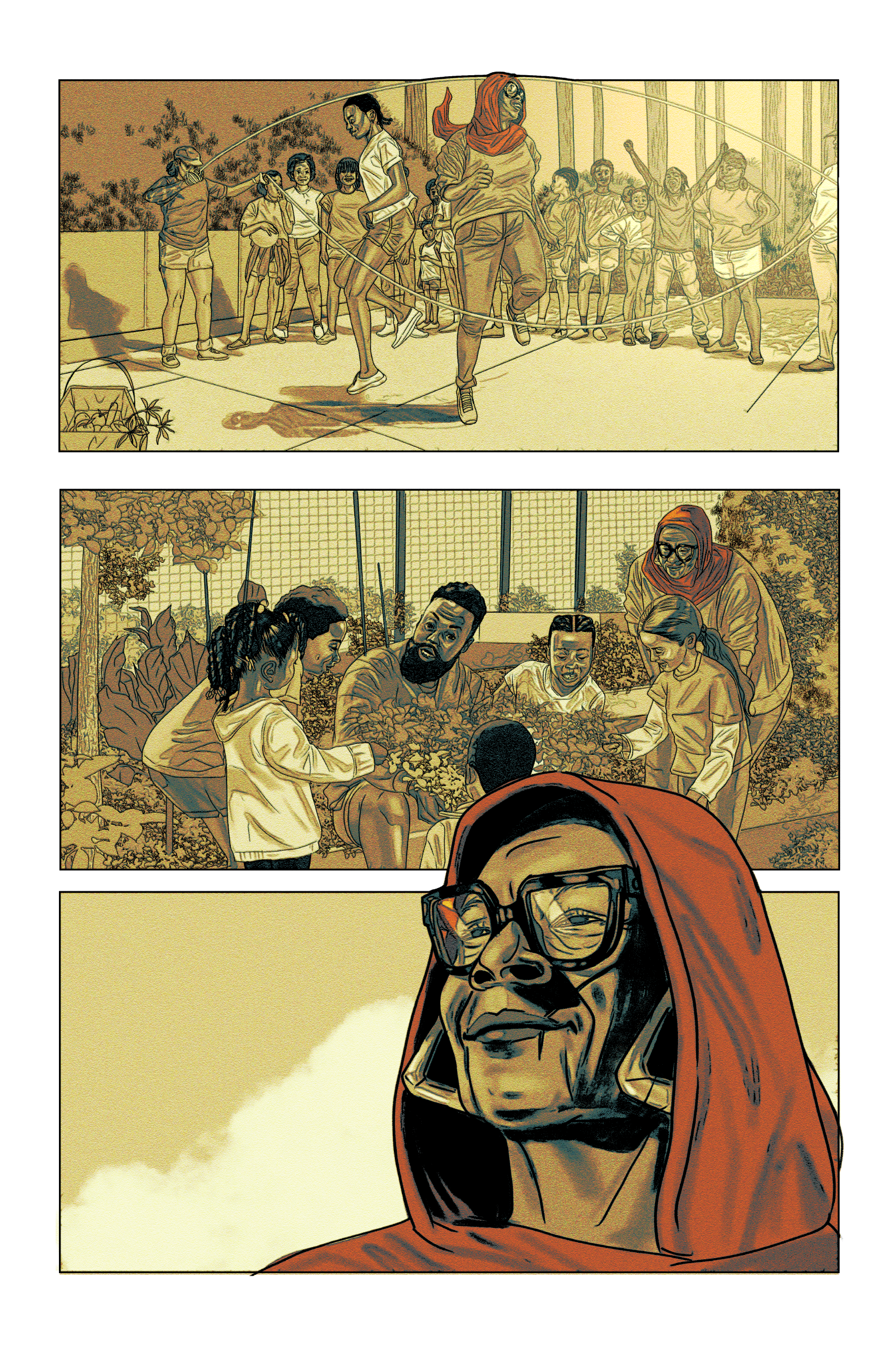
For Kiara, this community and her family are part of the foundation of who she is. Including her adoptive grandmother, Roxy Mae— a community leader in the city, who was a powerful voice that led to the Detroit Renaissance after the rebellion.
But most importantly, it’s this history, this community, that’s the foundation of Kiara’s otherworldly journey. And what will help her get through the immense changes in her life, including the tragic death of her grandmother—which triggers a metamorphosis. And it’s through this transformation, prompted by her overwhelming grief, where Kiara learns just how extraordinary she is: she learns can wield the power of the stars. For her, this is a terrifying discovery, leading to overwhelming anxiety, terrifying visions, and her questioning her humanity.
But to get through her fears, to learn to control her power, and to stop a formidable, mysterious entity from destroying her home, Kiara must draw strength from the wisdom of her late grandmother, her community, and the legacy of Detroit, learning to transform her own fears and pain into power.
A lesson I think many of us can resonate with.
Star Wielder #1 officially debuts November 27 from Hero Nation Studio
You can also join me at my official book release event at Vault of Midnight in Detroit on November 28 from 2 PM to 6 PM.
